Lebanon Elementary School (LES) in Marion County, KY, is in its first year of implementing the Core Knowledge Language Arts (CKLA) Listening and Learning Strand for grades K-3, emphasizing language comprehension through engaging, content-rich read-alouds.
Teachers at LES are seeing increased student engagement and deeper connections between content and real-world experiences. Students are demonstrating growth through knowledge-based discussions, higher-order questioning, and cross-curricular integration with science and social studies. CKLA’s structured, research-based framework has provided teachers with what they say they need to transform literacy instruction, equipping students with essential skills for long-term success.
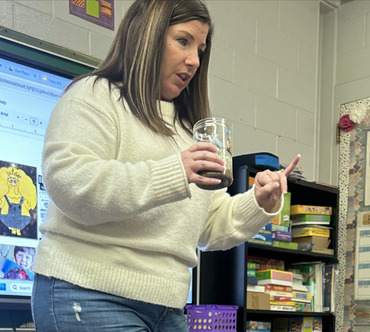
Misty Kehm, Kindergarten Teacher
2nd-grade teacher Paula Watson notes, “Using CKLA’s high-quality instructional materials has transformed my teaching by allowing students to engage more deeply with the standards. These resources have made content more accessible and understandable for all learners, leading to stronger learning outcomes. My students actively engage each day, building valuable knowledge that sticks.”
Misty Kehm, a Kindergarten teacher, reflects on the program’s impact in her second year of teaching: “My first year was spent scrambling for resources and creating assessments, but CKLA provides everything I need—rigorous vocabulary, thought-provoking questions, and engaging content. My kindergarteners have made incredible connections to real life, pointing out deciduous trees at recess and discussing seasonal changes. Culminating activities like a pop-up petting zoo and Olympic Day have meaningfully reinforced their learning. I can’t express enough how much of a lifesaver CKLA has been!”
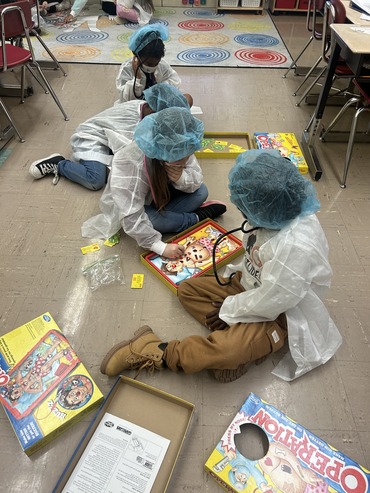
Students in Lisa Alford’s 1st-grade class
3rd-grade teacher Lena Murphy appreciates the structured support CKLA provides. Murphy says, “Using a high-quality instructional resource has given me rigorous lessons that ensure both engagement and alignment with standards. CKLA includes strong vocabulary, higher-order thinking questions, writing activities, and built-in assessments. With everything at my fingertips, I can focus on delivering effective, high-quality instruction without the added stress of planning from scratch.”
Karyn Spalding, a 1st-grade teacher, shares how CKLA has rejuvenated her teaching. “CKLA has given my teaching a renewed sense of purpose. It clearly defines my role as a facilitator, helping me build students’ knowledge, vocabulary, and reading abilities in an engaging way. The cross-curricular content seamlessly integrates science and social studies, enriching my instruction. Most importantly, it has reignited a joy for reading in my classroom—my students look forward to every lesson!”
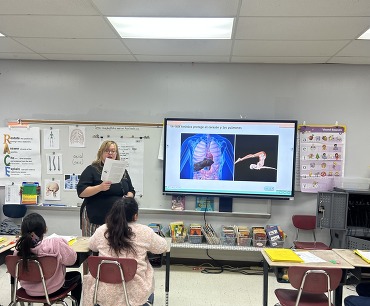
Kindergarten teacher Santana Alvarez adds, “For years, teaching reading felt overwhelming—piecing together stories, questions, and activities from various sources. Since implementing CKLA, that stress has disappeared. My students are captivated by the stories, and their listening comprehension has skyrocketed. The comprehension questions encourage critical thinking and meaningful discussions, while turn-and-talk activities help my kindergarteners build communication skills and confidence in expressing their ideas. It truly provides everything I need to deliver high-quality, effective instruction. The structured lessons, engaging content and embedded assessments have made planning seamless. My students thrive on the routine and depth of learning, allowing me to focus more on supporting their growth rather than searching for resources. This curriculum has truly elevated my teaching and my students’ learning experiences.”
The implementation of CKLA at Lebanon Elementary School has proven to be a transformative experience for both educators and students. The use of this HQIR has not only enhanced literacy instruction but also fostered deeper connections between classroom learning and the real world. Teachers across all grade levels have expressed how the resource has allowed them to streamline their lesson preparation and strengthened student engagement. Evidence of these instructional improvements is visible in the data. Kindergarten classrooms are consistently seeing 80% or more of their students achieving mastery on the CKLA domain assessments. Vocabulary has also increased throughout the year on both domain assessments and district screenings compared to last year for all of K-2 from fall to winter.